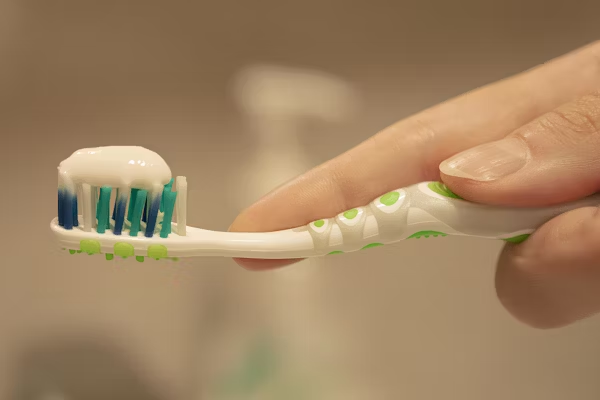
What Do Dental Implants Look Like?
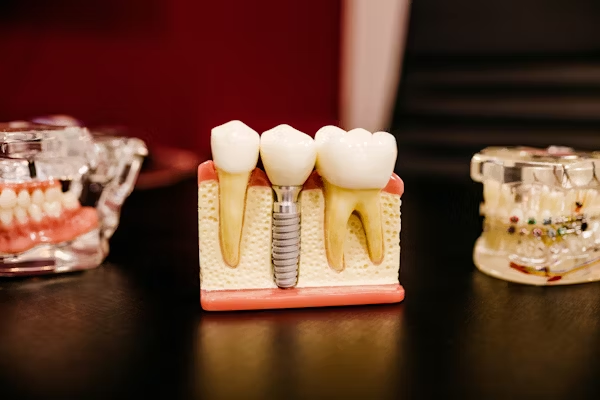
a dental implant in a dental model

If you’re considering dental implants, it’s natural to wonder: What do dental implants actually look like? The idea of replacing a tooth can feel technical or even intimidating at first—but modern implant design is remarkably refined.

Today’s implants are engineered to mimic the appearance and function of natural teeth so closely that most people will never notice the difference. With advancements in cosmetic dentistry and digital technology, especially at leading practices at The Tooth Co. in Irvine, CA, patients can expect results that are aesthetic, durable, and exceptionally lifelike.

This guide takes you through every visual aspect of dental implants—from the hidden implant post to the crown you’ll see when you smile—so you know exactly what to expect.

What Do Dental Implants Look Like

Dental implants are created to replicate the look and feel of natural teeth with remarkable precision. From the shade of the crown to the shape of the gumline, each detail is customized so closely that the final result blends seamlessly into your smile.

What Are Dental Implants?

Dental implants are permanent tooth replacements composed of three key components. Each part plays an essential role in creating a natural-looking restoration.

The Three-Part Structure

Implant Post

A biocompatible screw-like root placed within the jawbone.

Abutment

A connector that attaches the crown to the implant post.

Crown

The visible part of the implant—shaped and shaded to resemble a natural tooth.

How Implants Replicate Natural Teeth

Because implants replace both the root and the visible tooth structure, they replicate the full anatomy of natural teeth, allowing for exceptional stability and aesthetics.

What the Implant Post Looks Like

The implant post is never visible in your mouth, but its design plays a major role in long-term stability.

Titanium and Zirconia Materials

Titanium posts appear metallic silver, while zirconia posts are tooth-colored ceramic options.

Shape and Size of the Implant Screw

They resemble tiny, tapered bolts with threads that allow them to integrate with bone.

Why the Implant Post Is Not Visible Once Placed

It is fully concealed beneath the gum tissue and bone after healing.

What the Abutment Looks Like

Connector Between the Implant and Crown

A small extension piece that sits above the gumline before the final crown is placed.

Materials and Color Choices

When the Abutment Is Visible and When It’s Not

It may be visible briefly during healing but disappears once the permanent crown is attached.

What the Implant Crown Looks Like

Porcelain or Ceramic Tooth-Like Appearance

Crown materials are designed to reflect light like natural enamel.

Shade Matching to Surrounding Teeth

Dentists match color, brightness, and translucency to neighboring teeth.

Shape Customization for Natural Fit

The crown is crafted to mimic the natural tooth it replaces.

How Dental Implants Look Compared to Natural Teeth

Color Similarities

Advanced shading techniques allow an almost perfect match.

Texture and Light Reflection

Ceramic crowns imitate enamel texture and gloss.

Alignment and Contour Matching

Implants are positioned to mirror the alignment of natural teeth.

Dental Implants vs. Dentures and Bridges (Appearance)

Natural Look Advantages

Implants emerge from the gums like real teeth.

Gumline Aesthetic Differences

Unlike dentures, implants don’t show acrylic gums.

Stability and Visual Integration

Implants remain fixed—no shifting or visible movement.

What Single Implants Look Like

Replacement of a Single Missing Tooth

Designed to blend effortlessly with surrounding teeth.

How It Blends Into a Full Smile

Careful color and contour matching ensures it doesn’t stand out.

Close-Up Appearance Differences

Even close-up, high-quality crowns look very natural.

What Multiple Implants Look Like

Side-by-Side Restorations

Multiple implants create a uniform, cohesive appearance.

Matching Color and Shape Across Several Teeth

Digital dentistry helps achieve perfect symmetry.

Implant Bridges and Their Aesthetic Features

Implant-supported bridges look more natural than traditional bridges due to improved stability.

What Full Mouth Implant Systems Look Like

All-on-4 and All-on-6 Implant Aesthetics

Full-arch systems support complete sets of teeth that look symmetrical and natural. Here is how All-on-4 dental implants are planned at our Irvine office.

How Full Arch Restorations Mimic Natural Teeth

The teeth are crafted to resemble real enamel, while gum-colored components mimic healthy tissue.

Gum-Colored Components in Full Arch Implants

These help recreate natural gum contours for improved aesthetics.

How the Gumline Looks With Implants

Pink Porcelain or Composite Gum Replication

Used when artificial gum material is needed for aesthetics.

Natural Tissue Contouring

Dentists sculpt the tissue around the crown for a seamless blend.

Avoiding Gaps and Dark Shadows

Correct positioning prevents shadowing or open spaces.

X-Ray Appearance of Dental Implants

What Dentists See During Evaluation

Implants appear brighter and more defined than natural bone.

How Implants Look Beneath the Bone

They show as securely integrated, screw-shaped structures.

Why X-Ray Differences Are Not Visible in Real Life

The visible crown hides all internal components.

Temporary Implants and Healing Caps

What Temporary Crowns Look Like

Made of resin, these provide a simple but natural appearance during healing.

Appearance During Healing Period

Slightly less detailed than the final restoration but cosmetically acceptable.

Differences Between Temporary and Final Restorations

Final crowns offer superior shape, polish, and translucency.

How Implants Look Over Time

Maintaining Color Stability

Implant crowns resist staining better than natural teeth.

Wear Resistance of Implant Crowns

Ceramic materials hold their shape extremely well.

Gum Health and Long-Term Aesthetics

Healthy gums maintain the implant’s seamless appearance.

Implant Aesthetics for Front Teeth

Challenges in the “Smile Zone”

Front teeth require precise shading and symmetry.

Importance of Shade, Shape, and Translucency

Front implants must mimic natural enamel more closely.

Achieving Symmetry With Natural Teeth

Digital design ensures balance and proportion.

Implant Aesthetics for Back Teeth

Strength Over Aesthetic Focus

Molars prioritize durability more than cosmetic detail.

How Molars Are Designed Differently

They mimic the larger, grooved structure of natural molars.

Why Back Implants Are Less Visible

They sit in the less prominent area of your mouth.

Factors That Affect How Implants Look

Bone Density and Placement Angle

Good bone support ensures correct implant positioning.

Gum Thickness and Tissue Health

Thicker gums create a more natural appearance.

Dentist Technique and Crown Design

Skill and precision significantly influence the final look.

How Digital Dentistry Improves Implant Appearance

3D Scanning

Offers highly detailed imaging.

CAD/CAM Custom Crown Design

Allows exact customization.

Precision Fit for Natural Results

Ensures a comfortable, seamless integration.

Comparing Implant Crowns to Real Enamel

Light Reflection and Gloss

Ceramics are layered to mimic the shine of natural teeth.

Color Layering Techniques

Multiple layers add depth and realism.

Matching Natural Variations in Tooth Shades

Even subtle imperfections can be replicated.

Common Concerns About Implant Appearance

Will the Implant Post Show?

No, it remains hidden beneath gum and bone.

Will the Color Match My Other Teeth?

Yes—the shade is carefully selected for accuracy.

Can People Tell I Have an Implant?

With modern materials, implants look incredibly natural.

Caring for the Look of Your Dental Implants

Preventing Stains on Implant Crowns

Limit exposure to deep-colored foods and drinks.

Daily Cleaning to Maintain Shine

Brush, floss, and schedule regular dental cleanings at The Tooth Co..

Protecting the Gumline Around Implants

Healthy gums help maintain aesthetic harmony.

When Implant Aesthetics May Need Adjustment

Crown Replacement After Many Years

Occasionally needed to refresh appearance.

Gum Recession Management

Treatment can restore natural-looking gum contours.

Improving Color Match With Updated Materials

Newer ceramics offer enhanced realism.

The Tooth Co.: Experts in Natural-Looking Dental Implants

Located at 114 Pacifica, Ste 310, Irvine, CA 92618, The Tooth Co. stands out as your premier modern dental studio using advanced digital and clinical techniques. Under the leadership of Dr. Perrin—valedictorian, researcher, and visionary—our practice offers you concierge-level care and stunningly natural implant restorations.

Our patients trust us for exceptional dental services such as digital smile simulations, same-day 3D-printed "Test Drive" veneers, hand-made or 3D-printed veneers, clear aligner therapy, and general dentistry, including implants, crowns, and inlays. Our business hours are Monday from 9 AM–6 PM, Tuesday and Wednesday from 8 AM–5 PM, Thursday from 7 AM–4 PM, and Friday by request only, with Saturday appointments available by request.

If you’re seeking the most natural-looking dental implants in Irvine, The Tooth Co. delivers you the ideal blend of technology, precision, and artistry. Contact us today.

Conclusion
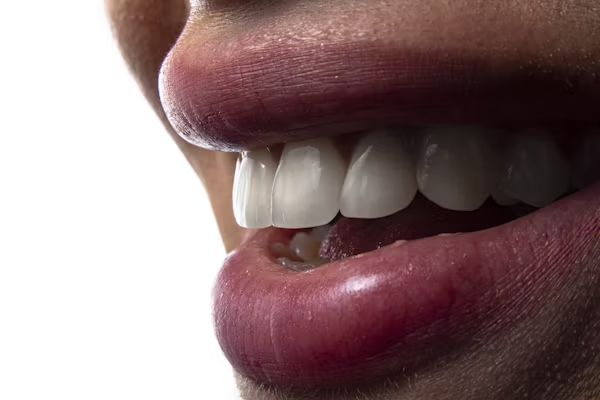
close-up shot of a woman's teeth and lips

Dental implants at The Tooth Co. are designed to look incredibly natural, from the shape of the crown to the contour of the gumline. With the right dentist, advanced digital techniques, and high-quality materials, implants can blend seamlessly into your smile for decades.

Whether you need a single replacement or a full-arch restoration, understanding how implants look helps you feel confident about your treatment journey.

Frequently Asked Questions

Do implants look fake?

High-quality implants are crafted to look nearly identical to natural teeth.

Can implants be made whiter than natural teeth?

Yes—your dentist can design a crown in your preferred shade.

Will my gums look natural around the implant?

With proper contouring, gum tissue blends smoothly around your new crown.

How does The Tooth Co. ensure natural aesthetics?

Through digital imaging, expert craftsmanship, and advanced shading techniques.

How Long Do Dental Implants Last?

a dental implant model

Dental implants have become the gold standard for tooth replacement — and for good reason. They look, feel, and function just like natural teeth. But one question keeps surfacing among patients... How long do dental implants last?

Before we dive in, it’s worth noting that not all dental practices are created equal. Clinics like The Tooth Co. in Irvine, CA, combine artistry, technology, and patient-centered care to ensure every implant not only looks stunning but also stands the test of time.

What Are Dental Implants?

Anatomy of a Dental Implant — Post, Abutment, and Crown

A dental implant consists of three main parts:

Together, these components mimic the structure and stability of a natural tooth — root to crown.

How Implants Mimic Natural Teeth

Implants act as artificial roots, providing the same support and sensation as real teeth. When you chew or speak, the implant transmits force into the jawbone — just like a natural tooth would.

Why Implants Are a Long-Term Investment

While they may cost more initially, implants are designed to last decades. They protect bone density, maintain facial structure, and eliminate the discomfort of removable dentures.

Average Lifespan of Dental Implants

How Long Most Dental Implants Last

On average, dental implants can last 25 years or more — with many lasting a lifetime. The crown, however, might need replacement after 10–15 years due to natural wear.

Factors That Influence Implant Durability

Comparing Implants to Bridges and Dentures

FeatureDental ImplantsBridgesDentures
Average Lifespan25+ years10–15 years5–8 years
MaintenanceLowModerateHigh
Bone PreservationYesNoNo
ComfortFeels naturalVariesMay shift/slip

What Affects the Lifespan of Dental Implants?

Oral Hygiene and Maintenance Habits

Consistent brushing, flossing, and professional cleaning extend implant life. Skipping these steps allows bacteria to accumulate, causing gum inflammation (peri-implantitis).

Bone Health and Gum Condition

Strong, healthy bone tissue supports the implant post. Gum recession or bone loss can destabilize even the best-placed implants.

Smoking, Alcohol, and Lifestyle Factors

Smoking restricts blood flow and slows healing — two major culprits behind implant failure. Excessive alcohol also impairs recovery and weakens bone.

The Role of Implant Materials

Titanium Implants vs. Zirconia Implants

Titanium remains the most popular due to its strength and biocompatibility. Zirconia, however, offers a metal-free alternative — ideal for those with allergies or aesthetic preferences.

How Material Strength Affects Longevity

High-quality materials resist corrosion, stress, and wear. Cheaper alternatives often compromise durability.

Modern Advances in Implant Technology

Today’s implants benefit from nanotechnology, digital planning, and 3D printing — ensuring a precise fit and long-lasting results.

The Surgical Process and Its Impact on Durability

Importance of Proper Implant Placement

An implant’s position determines how well it integrates. Misalignment can cause uneven pressure — leading to premature failure. That’s why experienced clinicians like Dr. Perrin at The Tooth Co. use 3D imaging for accuracy.

Role of Bone Density and Structure

A dense, healthy jawbone anchors the implant securely. When bone loss exists, grafting may be recommended before surgery.

Post-Surgical Care and Healing Period

After surgery, patience is key. Proper healing (osseointegration) takes 3–6 months — and determines the implant’s success.

The Importance of Osseointegration

How the Jawbone Bonds With the Implant

Osseointegration is the natural fusion between bone and implant. It creates a stable foundation for the crown.

Signs of Successful Integration

What Happens When Osseointegration Fails

Failure to integrate can lead to implant loosening or loss. Early intervention often saves the situation.

Maintenance and Daily Care for Long-Lasting Implants

Brushing and Flossing Techniques

Use a soft-bristle brush and non-abrasive toothpaste. Floss gently around the implant using unwaxed or implant-specific floss.

Using Interdental Brushes and Mouthwash

Interdental brushes clean hard-to-reach spots, while antibacterial mouthwash helps reduce plaque and bacteria.

Routine Dental Checkups and Professional Cleanings

Biannual cleanings ensure that your implants — and natural teeth — stay in top shape.

Common Causes of Implant Failure

Poor Oral Hygiene and Peri-Implantitis

Neglect can lead to gum inflammation, infection, and even bone loss around the implant.

Bone Loss and Gum Recession

As bone shrinks, the implant’s stability diminishes — much like a tree losing its roots.

Improper Bite Alignment or Grinding (Bruxism)

Constant grinding can stress implants, leading to cracks or loosening.

How to Prevent Dental Implant Failure

Avoiding Smoking and Excessive Alcohol

A smoke-free and moderate lifestyle promotes better healing and longevity.

Managing Medical Conditions Like Diabetes

Stable blood sugar levels reduce infection risk and enhance implant success.

Following Post-Operative Instructions

Your dentist’s aftercare advice is your implant’s best defense against complications.

Long-Term Success Rates of Dental Implants

Clinical Studies on Implant Longevity

Studies reveal a 95–98% success rate over 10 years — one of the highest among dental procedures.

Success Rate After 10, 20, and 30 Years

YearsSuccess Rate
1098%
2094%
3090%

Why Most Patients Keep Their Implants for Life

With diligent care, implants often last a lifetime — making them the most reliable tooth replacement option.

Replacing or Repairing Dental Implants

When an Implant Needs Restoration

Crowns may wear or chip over time but can be replaced easily without removing the post.

Replacing the Crown Without Removing the Post

Your dentist simply unscrews and replaces the crown — leaving the implant intact.

Full Implant Replacement: When It’s Necessary

In rare cases of bone loss or infection, the entire implant may need replacement.

Comparing Dental Implants to Other Tooth Replacement Options

Implants vs. Bridges — Durability and Maintenance

Bridges rely on adjacent teeth for support, often requiring enamel removal. Implants stand independently.

Implants vs. Dentures — Comfort and Stability

Unlike dentures that can slip or irritate gums, implants remain fixed — offering unmatched comfort. If you are weighing full-mouth implants in Irvine, the bridge material affects how long the teeth last.

Why Implants Offer the Best Long-Term Value

They preserve bone, prevent facial sagging, and maintain oral function — a true investment in your smile.

Dental Implant Maintenance Over the Years

Yearly Exams and X-Rays

Annual X-rays help monitor bone health and detect early issues.

Detecting Wear or Early Signs of Damage

Dentists can identify micro-cracks or gum changes long before you notice discomfort.

Keeping Surrounding Teeth and Gums Healthy

Healthy gums are the foundation for implant longevity — protect them like gold.

Special Considerations for Older Adults

Bone Health and Age-Related Changes

Aging may reduce bone density, but modern grafting and digital imaging make implants feasible at any age.

Implants in Seniors — Are They Still Worth It?

Absolutely. Seniors benefit from improved chewing, speech, and confidence.

Managing Long-Term Care for Aging Patients

Routine checkups and gentle cleanings keep implants strong well into retirement years.

Cost vs. Longevity — Are Dental Implants Worth It?

Upfront Investment vs. Lifetime Value

Though costly at first, implants require less maintenance and fewer replacements than alternatives.

Cost Comparison With Other Treatments

OptionAverage CostLifespan
Implants$3,000–$5,00025+ years
Bridge$1,500–$2,50010–15 years
Denture$1,000–$1,5005–8 years

Financing and Insurance Coverage Options

Many clinics, including The Tooth Co., offer flexible payment plans and insurance assistance.

How to Tell If Your Implant Needs Attention

Pain, Looseness, or Swelling

Any discomfort, movement, or swelling around the implant warrants immediate evaluation.

Gum Inflammation Around the Implant

Redness or bleeding may signal early peri-implantitis — act quickly to prevent damage.

When to See Your Dentist Immediately

If your bite feels “off” or the implant feels unstable, schedule a professional checkup right away.

The Tooth Co.: Trusted Experts in Dental Implant and Implant Care

Located at 114 Pacifica, Ste 310, Irvine, CA 92618, The Tooth Co. redefines modern dentistry. Under the visionary care of Dr. Perrin, who graduated valedictorian of his class, patients experience a perfect fusion of artistry and science.

At The Tooth Co., the journey begins with The Test Drive — a revolutionary 3D and photographic simulation of your future smile. You can even take home 3D-printed temporary veneers the same day!

From clear aligner therapy to biomimetic restorations, The Tooth Co. embraces digital workflows and minimally invasive techniques. Whether you need implants, crowns, or veneers, you’re not just treated — you’re transformed.

Office Hours:

Looking for a smile upgrade? Call us to schedule your personalized consultation today.

Conclusion

an older woman during a dental exam

So, how long do dental implants last? — potentially a lifetime. Their durability depends on care, material, and expertise.

By choosing a trusted provider like The Tooth Co., you’re investing not only in your smile but in decades of confidence, comfort, and stability.

Frequently Asked Questions

How long do dental implants really last?

Most dental implants last 25 years or more, often for life with proper maintenance.

Can dental implants last a lifetime?

Yes — with excellent oral hygiene, regular dental visits, and no chronic medical issues.

What can cause implants to fail?

Smoking, poor hygiene, uncontrolled diabetes, and bone loss are common culprits.

How can I make my implants last longer?

Brush and floss daily, avoid smoking, attend biannual checkups, and wear night guards if you grind your teeth.

Are implants suitable for older patients?

Absolutely! Age is not a barrier — overall health and bone density matter more.

Symptoms of a Cavity Between Teeth

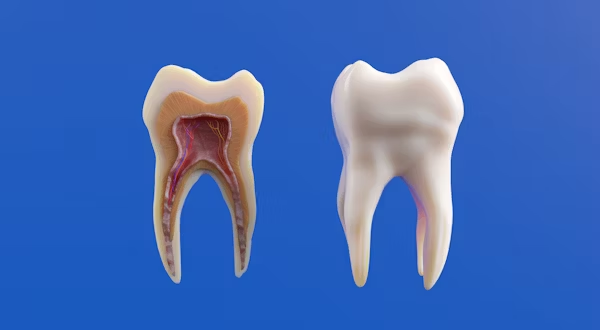
a digital image showing the inside of a tooth

Have you ever felt a twinge when sipping a cold drink, or noticed food repeatedly getting stuck between two specific teeth? If so, you might be facing a silent dental issue — a cavity forming between your teeth. Cavities in these hidden spaces are often trickier to detect than those on visible surfaces, making them a stealthy enemy of oral health.

At The Tooth Co. in Irvine, CA, advanced digital diagnostics and cutting-edge techniques make detecting and treating interproximal cavities (cavities between teeth) more precise and comfortable than ever.

Before things escalate, let’s dive deep into the signs of a cavity between teeth… and how to deal with them.

What Is an Interproximal Cavity?

An interproximal cavity refers to tooth decay that develops on the sides of teeth—specifically, in the tight spaces where adjacent teeth meet. These areas, known as “interproximal surfaces,” are breeding grounds for bacteria and plaque.

How These Cavities Differ From Surface Cavities

Unlike surface cavities, which are often visible and easier to spot, interproximal cavities lurk between teeth. You may not notice them until they’ve advanced significantly.

Why Interproximal Cavities Are Harder to Detect Without a Dentist

Even the most diligent brusher can miss interproximal decay because toothbrush bristles simply can’t reach these tight spaces. Regular dental X-rays and professional exams are crucial for catching them early.

How Cavities Form Between Teeth

Bacteria and Plaque Accumulation in Tight Spaces

Plaque is a sticky film of bacteria that loves to hide in places your toothbrush can’t reach. When not disrupted by flossing, it builds up between teeth, setting the stage for cavities.

The Role of Sugars and Acids in Enamel Breakdown

Every sugary snack you enjoy feeds these bacteria, which release acids that slowly erode enamel. Over time, this leads to soft spots and eventual cavities.

How Poor Flossing or Infrequent Cleaning Contributes

Skipping flossing even for a few days allows plaque to harden into tartar—a stubborn deposit that only dentists can remove. Tartar harbors bacteria, accelerating decay.

Early Signs of a Cavity Between Teeth

Sensitivity to Hot, Cold, or Sweet Foods

Have you felt a sudden zing while drinking iced water or eating dessert? Temperature and sugar sensitivity are often early warning signs of enamel breakdown between teeth.

Mild, Intermittent Toothache or Discomfort

A dull ache that comes and goes—especially when chewing—can indicate the early stages of interproximal decay.

Faint White Spots or Discoloration on Tooth Surfaces

White or chalky patches near the gum line or between teeth may signal demineralization, the first stage of cavity development.

Advanced Symptoms of Interproximal Decay

Persistent or Sharp Tooth Pain

Once decay reaches the dentin (the layer beneath enamel), pain becomes sharper and more frequent—especially when biting down.

Dark Spots or Visible Holes Between Teeth

While not always obvious, some cavities eventually create visible discoloration or tiny holes in the interproximal area.

Food Frequently Getting Stuck in the Same Area

If you constantly find food wedged between two specific teeth, there may already be a cavity altering the tooth’s shape.

Bad Breath That Doesn’t Go Away With Brushing

Persistent halitosis (bad breath) may indicate bacteria thriving in hidden cavities between teeth.

Gum and Soft Tissue Changes

Localized Gum Inflammation Near the Affected Area

Inflammation or redness near one tooth often points to underlying decay irritating the gums.

Bleeding While Flossing Between Specific Teeth

While some bleeding is common when flossing after a break, consistent bleeding in one spot may indicate localized decay or gum irritation.

Receding Gums Exposing More of the Tooth Surface

Receding gums can expose vulnerable tooth surfaces, making them more susceptible to interproximal decay.

Diagnostic Methods Dentists Use

Dental X-Rays to Identify Hidden Cavities

Bitewing X-rays are the gold standard for detecting cavities between teeth. They reveal decay invisible to the naked eye.

Visual and Tactile Examination With Dental Tools

Dentists use mirrors and dental explorers to detect soft or sticky spots between teeth—often confirming suspicions raised by X-rays.

Laser and Digital Diagnostic Technology

Modern practices like The Tooth Co. utilize advanced digital scanners and lasers to detect cavities earlier, with greater accuracy and less discomfort.

Why Cavities Between Teeth Are Often Missed

Lack of Pain Until Decay Progresses Deeply

Many interproximal cavities don’t cause pain until the decay reaches nerve endings, by which time more invasive treatment may be required.

How Routine Brushing Alone Doesn’t Remove Interproximal Plaque

Even the best electric toothbrush can’t replace flossing. Without it, plaque hides undisturbed between teeth.

Delay in Dental Checkups Leading to Undetected Damage

Skipping regular checkups allows cavities to grow silently, sometimes for years, before detection.

Risk Factors for Developing Interproximal Cavities

Inadequate Flossing Habits

Inconsistent flossing allows bacteria to thrive in untouched spaces.

High-Sugar Diet and Frequent Snacking

Constant sugar exposure gives bacteria a steady fuel supply to produce enamel-eroding acids.

Crowded or Misaligned Teeth Creating Plaque Traps

Tight or overlapping teeth make cleaning difficult, increasing decay risk.

Dry Mouth and Reduced Saliva Flow

Saliva naturally washes away food and neutralizes acids. A dry mouth creates an ideal environment for cavity formation.

Preventing Cavities Between Teeth

Daily Flossing With Proper Technique

Gentle, C-shaped flossing removes plaque along the gum line and between teeth effectively.

Using Interdental Brushes or Water Flossers

For those with braces or tight contacts, water flossers and interdental brushes provide excellent supplemental cleaning.

Reducing Sugar Intake and Acidic Foods

Limiting sugary snacks and acidic drinks cuts off bacteria’s primary food source.

Scheduling Regular Dental Cleanings and Exams

Professional cleanings remove tartar and identify early decay before it becomes problematic.

Treatment Options for Interproximal Cavities (The Tooth Co.)

Early Decay Reversal Through Fluoride Treatments

In the earliest stages, fluoride can help remineralize enamel and reverse damage without drilling.

Dental Fillings for Moderate Cavities

Once decay reaches dentin, fillings are the most common solution. At The Tooth Co., biomimetic techniques ensure conservative and durable restorations.

Crowns or Inlays for Advanced Decay

For larger cavities, inlays or crowns restore structure and function while preserving aesthetics.

Root Canal Therapy for Severe Cases

When decay invades the pulp, root canal therapy removes infected tissue and saves the tooth from extraction.

Recovery and Post-Treatment Care

Managing Sensitivity After Fillings

Mild sensitivity is common for a few days but usually subsides quickly.

Maintaining Oral Hygiene to Prevent Recurrence

Brushing twice daily, flossing, and using fluoride mouthwash are key to preventing new cavities.

Follow-Up Visits to Monitor Treated Teeth

Regular checkups ensure fillings remain intact and no new decay forms.

The Role of Regular Dental Visits

How Professional Cleanings Prevent Interproximal Cavities

Dental hygienists can clean where your toothbrush and floss can’t, removing stubborn tartar buildup.

Early Intervention Saves Time, Money, and Teeth

Catching cavities early avoids extensive treatments like crowns or root canals later.

Recommended Checkup Frequency for Adults and Children

Most people benefit from visits every six months, though some may need more frequent checkups based on risk factors.

The Tooth Co.: Expert Cavity Detection and Treatment

We at The Tooth Co. are redefining dental experiences through innovation. Located at 114 Pacifica, Ste 310, Irvine, CA 92618, our clinic is open Monday through Thursday, with Friday and Saturday visits available by request only, offering services that range from preventive care to advanced cosmetic dentistry.

What sets us apart is Dr. Perrin’s academic excellence, practical approach, and visionary embrace of technology.

Using 3D imaging, digital workflows, and biomimetic techniques, we offer precise cavity detection and personalized treatment. Our unique "Test Drive" approach even allows patients to preview their future smile using temporary 3D-printed veneers—a perfect blend of art and science.

Call Us Today

Whether you need fillings, clear aligners, veneers, or general dental care, The Tooth Co. provides concierge-level service for a truly modern dental experience.

Schedule a consultation with us today to experience innovative dentistry in Irvine.

Conclusion

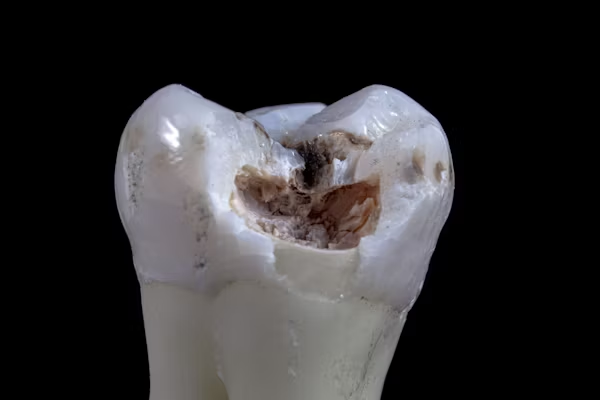
a tooth destroyed by cavities

Signs of a cavity between teeth are often subtle at first, but catching them early can mean the difference between a simple filling and a root canal. From mild sensitivity to persistent discomfort, knowing what to look for empowers you to act quickly.

Regular flossing, reduced sugar intake, and professional checkups at trusted dental clinics like The Tooth Co. are the ultimate defense against interproximal decay. Your teeth may not talk—but if you listen closely, they give plenty of signs.

Frequently Asked Questions

Can a cavity between teeth heal on its own?

Early enamel demineralization can sometimes be reversed with fluoride, but once a cavity forms, professional treatment is needed.

Will a cavity between teeth always cause pain?

No. Many cavities remain painless until they reach deeper layers, which is why routine dental visits are essential.

How often should I floss to prevent these cavities?

Daily flossing—preferably at night—prevents plaque buildup between teeth, minimizing cavity risk.

Can whitening treatments hide interproximal decay?

No. Whitening can mask discoloration but won’t treat cavities. Decay must be addressed before cosmetic treatments.

What happens if I ignore a cavity between teeth?

Left untreated, the cavity will grow, potentially leading to infection, abscess, and even tooth loss.

Tooth Colored Fillings: A Modern, Natural-Looking Solution for Cavities

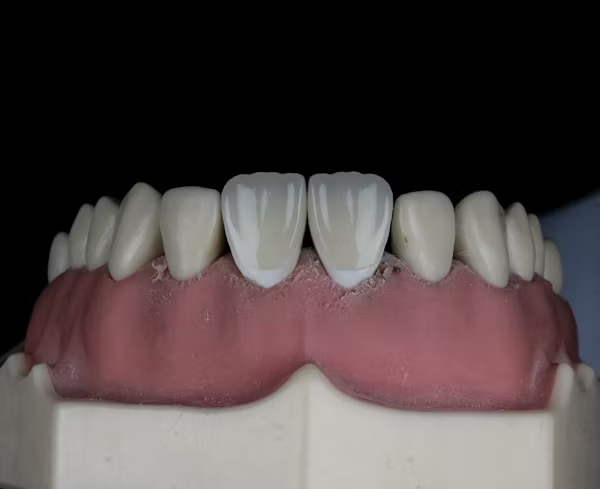
a digital model of the lower teeth

A bright, healthy smile is often one of the first things people notice. And maintaining that smile goes beyond daily brushing and flossing. Dentistry has advanced significantly over the years, moving away from traditional silver fillings that are easily noticeable.

Now, tooth colored fillings offer a natural-looking, strong, and durable solution that restores teeth while preserving aesthetics. At The Tooth Co., a premier modern dental studio in Irvine, CA, patients receive exceptional care through the use of advanced technology and personalized service.

Whether you need to fill a new cavity or replace outdated metal restorations, composite fillings provide a comfortable and visually pleasing solution.

Understanding Tooth Colored Fillings

What Tooth Colored Fillings Are Made Of

The Tooth Co.’s tooth colored fillings are made from composite resin, a blend of durable plastic and finely ground glass particles.

This combination mimics the natural translucency and shade of tooth enamel, allowing the restoration to blend seamlessly with your teeth. The material is carefully selected to match the unique color of each patient’s smile.

How Composite Resin Works to Restore Teeth

Composite resin adheres directly to the tooth’s structure. After the cavity is cleaned, layers of resin are applied to the tooth and then hardened with a curing light.

Each layer bonds tightly, strengthening the tooth while sealing out bacteria. This process is similar to patching a crack in a wall with a perfectly color-matched material—once complete, you can’t tell where the original damage was.

Tooth Colored Fillings vs. Traditional Amalgam

FeatureTooth Colored FillingsAmalgam Fillings
AppearanceNatural, blends with teethMetallic, easily noticeable
CompositionComposite resinMercury & metal alloy
Bonding to ToothChemically bondsHeld by mechanical retention
DurabilityExcellent with proper careLong-lasting but prone to cracks
Aesthetic ValueHighLow

Tooth colored fillings provide a more natural look and feel, while amalgam fillings can stand out due to their silver color and may lead to more tooth structure removal during placement.

When Tooth Colored Fillings Are Used

Treating Cavities and Tooth Decay

The most common use of composite fillings is treating cavities. Once decay is removed, the space is filled with composite resin, restoring both form and function to the tooth. This prevents further damage and maintains a smooth surface for everyday use.

Repairing Chipped or Worn Teeth

Composite resin isn’t just for cavities. It can also repair chips and worn edges caused by accidents or grinding.

The resin is sculpted directly onto the tooth, giving it back its original shape and strength in a way that looks completely natural.

Replacing Old or Damaged Metal Fillings

Many patients choose to replace old silver fillings with tooth colored alternatives. This improves aesthetics and eliminates visible metal when talking, laughing, or smiling. The result is a more uniform, polished appearance.

Benefits of Tooth Colored Fillings

Aesthetic Appeal — Blends Seamlessly With Natural Teeth

Composite fillings are customized to match the natural shade of your teeth. They blend in so well that it’s hard to tell where the filling starts and your tooth ends. This makes them especially useful for front teeth and other visible areas.

Strong Bonding to Tooth Structure

Unlike amalgam, which relies on physical retention, composite resin bonds chemically to the tooth. This creates a strong and durable restoration that actually reinforces the existing tooth structure rather than weakening it.

Versatility for Front and Back Teeth

Tooth colored fillings are suitable for both front and back teeth. They’re strong enough for chewing surfaces while remaining subtle and aesthetically pleasing for areas that show when you smile.

Mercury-Free and Biocompatible

Composite fillings are free of mercury and other metals. This makes them a good choice for patients who prefer biocompatible, metal-free dental solutions.

The Treatment for Tooth Colored Fillings

Exam and Cavity Preparation

The process begins with a thorough examination. Once the cavity or damaged area is identified, local anesthesia is administered for comfort. The decayed portion of the tooth is removed carefully, leaving behind a clean, healthy surface.

Layering and Bonding Composite Resin

After cleaning and preparing the tooth, a bonding agent is applied. Composite resin is then layered in small increments, allowing the dentist to shape it accurately to match your tooth’s natural contours.

Curing the Material With a Special Light

Each layer of resin is hardened using a curing light. This ensures the filling bonds firmly to the tooth, creating a secure and long-lasting restoration.

Shaping and Polishing for a Natural Look

Once the filling is set, the dentist shapes it to match the tooth’s original anatomy. It is then polished to a smooth, glossy finish that blends perfectly with surrounding teeth.

Longevity and Durability

Average Lifespan of Tooth Colored Fillings

Tooth colored fillings typically last between 7 and 15 years. With excellent oral care, they can sometimes last even longer. Their lifespan depends on factors like the location of the filling and how well they’re maintained.

Factors That Affect Durability

How Proper Oral Care Extends Their Life

Brushing twice daily, flossing, and visiting the dentist regularly all help extend the life of your fillings. Treating them like your natural teeth ensures they stay in excellent condition for years.

Caring for Tooth Colored Fillings

Daily Brushing and Flossing Techniques

Use a soft-bristled toothbrush and fluoride toothpaste to clean your teeth gently. Pay attention to the gum line, where plaque tends to build up.

Avoiding Habits That Can Damage Fillings

Chewing on hard objects, like ice or pens, can chip fillings. Using your teeth to open packages can also cause damage. If you grind your teeth at night, consider wearing a night guard to protect your fillings.

Regular Dental Checkups and Cleanings

Routine dental visits allow your dentist to check the condition of your fillings and catch any issues early. Professional cleanings also help keep the fillings smooth and stain-free.

Potential Issues and Considerations

Post-Treatment Tooth Sensitivity

It’s common to experience mild sensitivity to hot or cold after getting a filling. This usually resolves within a few weeks as the tooth adjusts.

Wear and Tear Over Time

Like natural teeth, fillings can wear down from daily use. Regular dental checkups can help monitor this and address any problems early.

Discoloration or Staining of Fillings

Composite resin may pick up slight stains over time, especially from coffee, tea, or tobacco. Polishing during dental visits typically restores their brightness.

Replacing or Repairing Tooth Colored Fillings

Signs You May Need a Replacement

Repairing Minor Chips or Cracks

Small issues can often be repaired without replacing the entire filling. The dentist can add new resin to the affected area, restoring its shape and strength.

Full Replacement for Larger Restorations

If the damage is more extensive, a complete replacement may be necessary to ensure proper protection and aesthetics.

Fillings Vs. Cavities

A cavity is a problem—a hole caused by tooth decay. A filling is the solution—the material used to restore the tooth after decay has been removed. Fillings seal the space, preventing bacteria from entering and stopping further damage.

Tooth Colored Fillings for Front vs. Back Teeth

Cosmetic Applications for Visible Front Teeth

For front teeth, aesthetics are a priority. Composite fillings are ideal because they can be matched precisely to the natural tooth shade, preserving the beauty of your smile.

Durability and Strength for Molars

For molars, strength matters most. Modern composites are designed to withstand chewing forces, making them a reliable choice even for the back teeth.

Choosing the Right Material for Each Tooth

Dentists select materials based on the tooth’s location and function. This ensures the best balance between appearance and durability.

Tooth Colored Fillings vs. Other Restorative Options

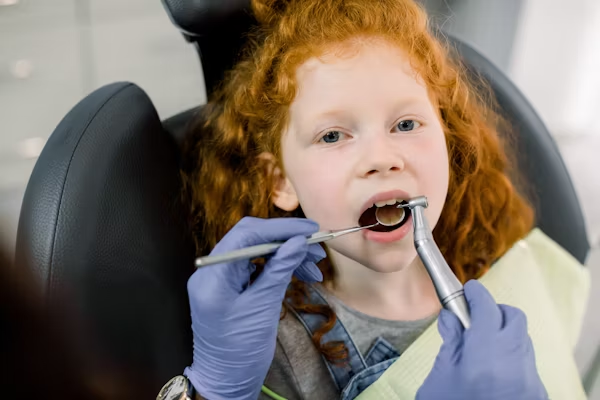
a little kid during a dental exam

Fillings vs. Inlays and Onlays

Inlays and onlays are used when the damage is too large for a filling but not extensive enough for a crown. They are custom-made outside the mouth and then bonded in place for a perfect fit.

Fillings vs. Crowns

Crowns cover the entire tooth and are used when there’s significant structural damage. Fillings, on the other hand, are minimally invasive and preserve more of the natural tooth.

When Alternative Treatments Are Recommended

If a tooth has extensive decay, fractures, or large restorations, your dentist may recommend inlays, onlays, or crowns for long-term durability.

The Tooth Co.: Trusted Experts in Tooth Colored Fillings

We at The Tooth Co. are a premier modern dental studio led by Dr. Perrin—valedictorian of his dental class and a leader in digital dentistry.

Our practice is conveniently located in Irvine, CA, where we combine advanced workflows, biomimetic techniques, and 3D printing to deliver precise, natural-looking results.

We offer a full range of services including cleanings, crowns, veneers, implants, root canals, clear aligners, and expert Tooth Colored Fillings. The Tooth Co. provides concierge-level care in a comfortable, modern environment.

Book Now

Our office hours are Monday 9 AM–6 PM, Tuesday and Wednesday 8 AM–5 PM, Thursday 7 AM–4 PM, Friday by request only, with Saturday appointments available by request.

If you’re ready to transform your smile, call or visit us today to schedule your appointment and experience dentistry at its finest.

Conclusion

Tooth colored fillings offer a modern, attractive, and reliable solution for restoring teeth. They blend seamlessly with your natural smile, strengthen tooth structure, and last for many years with proper care.

By choosing a trusted dental provider at The Tooth Co., you can enjoy both excellent dental health and a smile that looks as good as it feels.

Frequently Asked Questions

How long do tooth colored fillings last?

On average, tooth colored fillings last 7 to 15 years, depending on their placement and how well they’re maintained.

Are they as strong as metal fillings?

Yes. Advances in composite technology have made them durable enough for both front and back teeth.

Can they be used on molars?

Yes. Modern composites are designed to handle the heavy chewing forces of molars.

Do they stain over time?

They can pick up minor stains from coffee, tea, or tobacco, but these can usually be polished away during dental cleanings.

Is the treatment painful?

No. The treatment is typically painless, thanks to local anesthesia. Most patients feel comfortable throughout.

How Fast Do Cavities Form

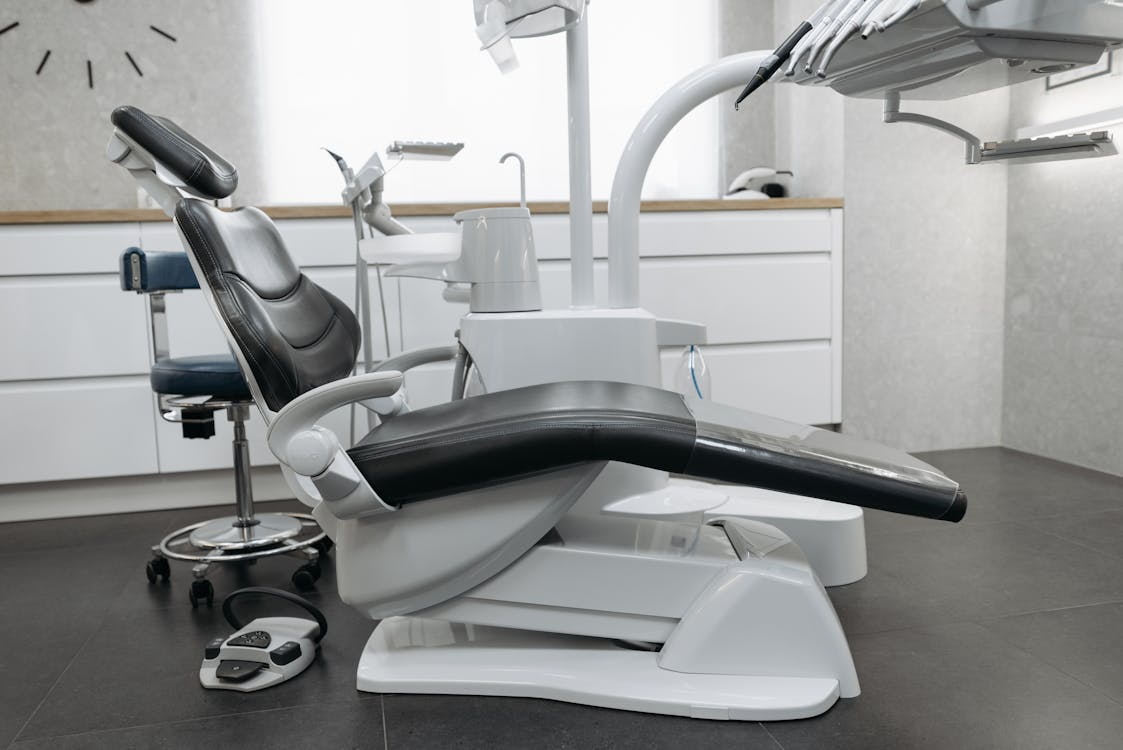
an image showing a dental chair

Cavities… they often sneak up when we least expect them. One day your tooth feels fine, and the next, there’s sudden sensitivity or even pain. The truth is—cavity formation is not an overnight event. Cavities progress in stages, influenced by what you eat, how well you brush, and even your genetics.

In this The Tooth Co.guide, we’ll walk through the science, myths, and real-world timelines of cavity formation. By the end, you’ll know not just how long cavities take to form, but also how to spot the warning signs and stop them in their tracks.

Why Understanding Cavity Formation Matters

Think of cavities as tiny “time bombs” in your teeth. Left unchecked, they don’t just ruin a smile—they can damage nerves, lead to infection, and require costly treatments.

When you understand the stages of cavity formation, you’ll be better prepared to act early and prevent problems before they escalate.

Common Misconceptions About Cavities

Cavities are often misunderstood. Some believe they only happen if you eat candy, but that’s far from the truth. Starches from bread, chips, and even fruit sugars can contribute. Others assume pain starts immediately, but many cavities are silent in their early stages.

Another myth is that brushing alone can stop cavities—when in fact, flossing, diet, and regular dental checkups play an equally important role.

What Is a Cavity?

Definition and Basic Explanation

A cavity, also called dental caries, is essentially a hole in your tooth caused by bacteria producing acid that erodes the enamel and deeper structures. It begins small but can grow into a major dental issue if ignored.

Difference Between Caries, Decay, and Cavities

These terms are often used interchangeably but have subtle differences. Caries refers to the disease process as a whole. Decay describes the destruction of the tooth’s structure. A cavity is the visible or physical hole that results from the progression of decay.

Stages of Cavity Development

Initial Demineralization of Enamel

The first stage is subtle. Acid from bacteria starts dissolving the minerals in enamel. White spots may appear, signaling that the tooth is weakening, though no actual hole has formed yet.

Enamel Decay Progression

If demineralization continues, the enamel weakens further. Tiny holes form and gradually expand, creating a permanent cavity that requires dental treatment.

Dentin Involvement

Once bacteria reach the dentin layer beneath the enamel, decay spreads more quickly. This is because dentin is softer and less resistant. At this stage, tooth sensitivity is common.

Pulp Damage and Advanced Decay

In the most advanced stage, decay reaches the pulp—the innermost layer that contains nerves and blood vessels. This often causes severe pain and requires root canal therapy or even extraction.

Timeline of Cavity Formation

How Quickly Cavities Can Develop

So, How Long Does It Take for a Cavity to Form? It can be surprisingly fast. Under poor oral conditions, a cavity can begin forming within a few months. Bacteria, unchecked plaque, and frequent sugar intake accelerate the process significantly.

Factors That Speed Up Cavity Formation

Several factors make cavities progress faster: diets high in sticky or sugary foods, poor brushing and flossing habits, frequent snacking, and weakened enamel caused by acid reflux or genetics.

Cases Where Cavities Progress Slowly

On the other hand, people with strong enamel, healthy saliva flow, and excellent oral hygiene may see cavity progression take years. The timeline truly depends on the individual’s habits and health.

Factors Influencing Cavity Development

Diet and Sugar Intake

Every sugary snack is essentially “fuel” for cavity-causing bacteria. The more often sugar is present, the more acid is produced—and the faster enamel breaks down.

Oral Hygiene Habits

Brushing once in a while won’t cut it. Plaque builds up quickly, and without consistent brushing and flossing, bacteria thrive. It’s like leaving food out in the sun—it spoils faster than you think.

Saliva Flow and Oral pH Balance

Saliva acts as the body’s natural mouthwash. It neutralizes acids and provides protective minerals to enamel. A dry mouth leaves teeth defenseless, allowing cavities to develop much faster.

Genetics and Tooth Structure

Some people naturally inherit stronger enamel, while others have thinner enamel that is more vulnerable. Genetics can’t be changed, but knowing your risks helps you stay proactive.

Early Signs of a Cavity

White Spots on Enamel

This is the earliest sign of trouble. White spots indicate minerals are being lost from enamel, signaling the beginning of cavity development.

Tooth Sensitivity to Hot, Cold, or Sweet

If you experience a “zing” of discomfort when sipping iced water or eating sweets, decay may have already reached dentin.

Visible Holes or Dark Spots

By the time cavities are visible, they’ve progressed significantly. Small pits or dark spots on teeth should never be ignored.

Risk Factors That Accelerate Cavity Formation

Frequent Snacking and Sugary Drinks

Constant snacking means your teeth are exposed to acid attacks throughout the day. Sugary drinks like soda or energy drinks compound the damage.

Dry Mouth (Xerostomia)

Without adequate saliva, bacteria multiply unchecked. This often happens with certain medications or medical conditions.

Pre-Existing Gum Disease or Enamel Weakness

Teeth that are already weakened by gum disease or enamel erosion are more likely to decay quickly.

Preventing Cavities From Forming

Daily Brushing and Flossing

Two minutes of brushing twice a day and daily flossing can dramatically lower your cavity risk.

Fluoride in Toothpaste and Mouthwash

Fluoride strengthens enamel and helps reverse early damage, essentially patching up weak spots before they become holes.

Regular Dental Checkups and Cleanings

Dentists catch what you miss. Cleanings remove hardened plaque (tartar) that brushing alone can’t tackle.

Sealants as Preventive Care

Sealants create a protective barrier over molars, keeping bacteria from settling into deep grooves.

How Dentists Detect Cavities Early

Clinical Examinations

The Tooth Co. dentists visually and physically check for soft spots, discoloration, and signs of decay.

Dental X-Rays

X-rays reveal cavities hidden between teeth or beneath existing fillings.

Laser and Digital Diagnostic Tools

Advanced tools detect cavities at earlier stages than traditional methods, improving treatment outcomes.

Treatment Options Based on Cavity Stage

Remineralization for Early-Stage Decay

If caught early enough, remineralizing treatments like fluoride varnishes can halt and even reverse damage.

Fillings for Moderate Cavities

When the damage is permanent, dentists remove the decayed portion and replace it with a filling.

Root Canals for Severe Decay

If the pulp is infected, root canal therapy saves the tooth by cleaning and sealing the inner chamber.

Extractions and Crowns for Advanced Cases

When a tooth is too damaged to save, extraction may be necessary. A crown or implant can restore function and appearance.

The Tooth Co.: Advanced Cavity Prevention and Care

At The Tooth Co., patients experience dentistry that blends innovation with personalized care. Led by Dr. Perrin—an accomplished dentist known for his visionary approach—our practice uses advanced digital workflows, biomimetic techniques, and 3D printing to deliver both preventive and cosmetic treatments.

From professional cleanings, crowns, and root canals to veneers and clear aligner therapy, we provide comprehensive solutions for every smile.

One highlight of our approach is the “Test Drive for Veneers,” where patients can preview their future smile using 3D imaging and even try temporary 3D-printed veneers before making a commitment. Whether you’re seeking cosmetic transformation or everyday oral health care, we combine technology and artistry to achieve outstanding results.

Book an appointment now

You can find us at 114 Pacifica, Ste 310, Irvine, CA 92618. Our business hours are Monday 9 AM–6 PM, Tuesday and Wednesday 8 AM–5 PM, Thursday 7 AM–4 PM, Friday by request only, and Saturday by request.

Ready to upgrade your dental experience? Visit us or schedule your appointment today to discover modern, patient-centered dentistry at its finest.

Conclusion

image of a woman smiling at the camera

So… how long does it take for a cavity to form? The answer isn’t the same for everyone. 

Cavities may appear within a few months if oral hygiene is poor, or take years to develop when good habits are in place. What matters most is prevention—consistent brushing, flossing, fluoride use, and regular checkups at The Tooth Co..

Think of your teeth as a fortress. With the right defenses, cavities don’t stand a chance. Without them, though, it’s only a matter of time before decay finds its way in.

Frequently Asked Questions

Can a cavity form in just a few weeks?

Yes. Under poor conditions—like constant sugar intake, bad oral hygiene, and dry mouth—cavities can form in weeks.

Do cavities always hurt right away?

No. Pain often doesn’t occur until decay reaches dentin or the pulp, meaning many cavities go unnoticed at first.

Can a cavity go away on its own?

Very early-stage cavities may be reversed with fluoride and improved habits, but once a hole forms, professional treatment is required.

Gum Disease Treatment

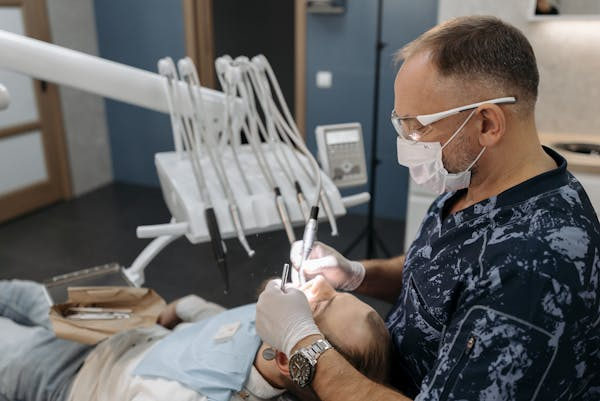
image of a dental professional performing a dental scaling on a patient

Have you ever noticed your gums bleeding when you brush, or perhaps you've been told you have "pockets" around your teeth? These could be silent signals of periodontal disease, a common but often overlooked infection of the gums and bone supporting your teeth.

It’s a condition that, if left untreated, can lead to serious issues, including tooth loss. But there's good news: a powerful and effective dental cleaning treatment called periodontal scaling and root planing can halt this progression and restore your oral health.

At The Tooth Co., we understand the critical importance of healthy gums. We're here to guide you through what periodontal scaling and root planing involves, why it's often called a "deep cleaning," and how it can be your key to a healthier, more stable smile.

Understanding Periodontal Health

What Is Periodontal Disease?

Periodontal disease—also known as gum disease—is a progressive condition where the tissues and bones supporting your teeth become inflamed and eventually deteriorate. It begins subtly, often unnoticed... until the damage is already underway.

How Gum Disease Progresses Without Treatment

It starts small—redness, slight bleeding. But over time, it spreads deeper into your gums and bones, loosening teeth and threatening your entire oral foundation.

The Difference Between Gingivitis and Periodontitis

Gingivitis is like a warning light on your dashboard—reversible, if caught early. Periodontitis? That’s when the engine’s already overheating. It causes permanent damage that requires professional treatment like periodontal scaling and root planing.

What Is Scaling and Root Planing?

Defining the Treatment

Periodontal scaling and root planing is a non-surgical deep cleaning technique used to remove plaque and tartar from below the gumline and smooth the roots of your teeth—where harmful bacteria love to hide.

Why It’s Often Called “Deep Cleaning”

Unlike regular cleanings that target visible plaque, deep cleaning dives beneath the surface... scrubbing out bacteria that toothbrushes can’t touch and polishing root surfaces to make it harder for bacteria to return.

When Is It Recommended Over Regular Cleaning?

Your The Tooth Co. dentist might recommend it if your gum pockets exceed 4mm, indicating deeper infection. It’s the go-to treatment when regular cleanings just won’t cut it.

How the Treatment Works

What Happens During Scaling?

Using ultrasonic tools or hand instruments, your dentist scrapes away hardened plaque (calculus) from beneath your gumline. It’s thorough... like a deep dive into the ocean floor of your mouth.

What Is Root Planing and Why It’s Critical

Root planing smooths out the root surfaces of your teeth. This reduces inflammation and helps your gums reattach more securely—kind of like trimming a tree’s bark to help it grow stronger roots.

Tools and Techniques Used by Dentists

The Tooth Co. dentists use a mix of ultrasonic scalers (high-frequency vibrations), fine hand instruments, and occasionally lasers for precise removal. These tools reach where toothbrushes and floss simply can’t.

Causes of Deep Pocket Formation

Plaque and Tartar Buildup

When plaque hardens into tartar, it traps bacteria below the gumline. Over time, this forms deep pockets—perfect hideouts for infection.

Smoking, Diabetes, and Hormonal Changes

These conditions reduce your body's ability to fight off gum infections, increasing the likelihood of pocket formation... and more frequent visits to your dentist.

Genetic Predisposition and Immune Response

Some people are simply more prone to gum disease due to genetics. Pair that with a sluggish immune system and gum pockets can form faster than you'd expect.

Benefits Of Deep Cleaning Teeth

Halting the Progression of Gum Disease

The primary benefit? Stopping gum disease in its tracks before it escalates to bone loss or tooth extraction.

Reducing Inflammation and Gum Bleeding

Patients often report less bleeding during brushing and flossing after treatment. Think of it as calming a stormy sea back into smooth, tranquil waves.

Preventing Tooth Loss and Bone Deterioration

By removing infection and allowing gums to heal, you safeguard the bone structure holding your teeth in place.

Risks and Side Effects to Be Aware Of

Temporary Tooth Sensitivity

Some patients experience mild sensitivity post-treatment—especially to hot and cold. This typically fades within a few days.

Gum Tenderness and Swelling

Swollen, tender gums are common during recovery. Saltwater rinses and gentle brushing can ease discomfort.

Rare Risks of Infection

While rare, infections can occur if aftercare is neglected. Antibiotic mouth rinses may be prescribed to reduce this risk.

Aftercare and Recovery Tips

Immediate Post-Treatment Guidelines

Avoid hard or crunchy foods for 24-48 hours. Stick to soft options—soups, yogurt, mashed potatoes. And no smoking... your gums need clean oxygen to heal!

Long-Term Oral Hygiene Practices

Don't skip brushing your teeth. Brush twice daily with a soft-bristled toothbrush, floss gently, and use an antiseptic mouthwash. Think of it as protecting a freshly renovated house.

When to Schedule Follow-up Appointments

Your dentist may want to check your healing progress within a few weeks. Follow-up cleanings every 3–4 months may also be recommended.

Preventing the Need for Deep Cleaning

Daily Brushing and Flossing Habits

Consistency is key. Brushing twice and flossing once daily keeps plaque at bay and gum pockets from forming.

Regular Dental Checkups and Cleanings

Visit your dentist every 6 months—or more if you’re high risk. Think of it as routine maintenance for your smile.

Diet and Lifestyle Adjustments

Reduce sugar, quit smoking, and increase water intake. What’s good for your body is great for your gums.

Scaling and Root Planing vs. Surgical Options

When Deep Cleaning Is Enough

If detected early, scaling and root planing alone can resolve periodontal issues—no scalpels, no stitches.

When Surgical Intervention Becomes Necessary

If gum pockets exceed 6mm or bone loss is severe, surgical treatments like flap surgery or bone grafting might be required. Catch it early, and you may never need to go there...

The Tooth Co.: Trusted Periodontal Experts

Looking for top-tier periodontal scaling and root planing in Irvine, CA?

At The Tooth Co., you'll experience modern dentistry reimagined. You can find us at 114 Pacifica, Ste 310, Irvine, CA 92618. We're open Monday from 9 AM to 6 PM, Tuesday and Wednesday from 8 AM to 5 PM, Thursday from 7 AM to 4 PM, and Friday by request only. 

Whether you're battling gum disease or looking for cosmetic improvements and exceptional general dental treatments, The Tooth Co. blends academic excellence with visionary innovation. For personalized, concierge-level periodontal care, look no further than this cutting-edge Irvine practice.

Conclusion

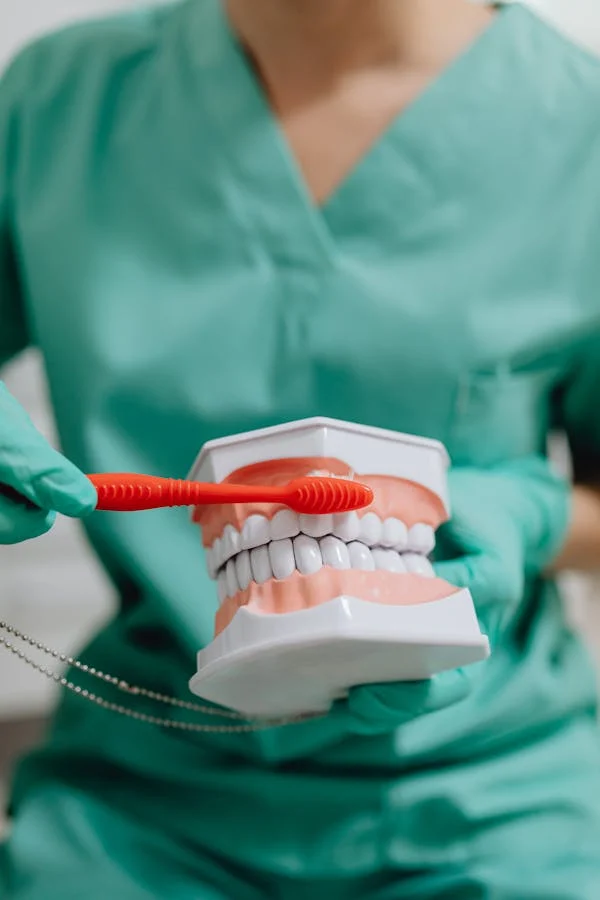
photo of a dentist brushing a dental model

Periodontal scaling and root planing isn’t just a cleaning—it’s a reset button for your oral health. If you’ve been told you need this treatment, don’t panic. It’s safe, effective, and can prevent far more serious issues down the road.

When caught early, gum disease can be managed. But delay too long... and you're looking at irreversible damage. Partner with experts at The Tooth Co., take your aftercare seriously, and keep those gums as healthy as the teeth they support.

Schedule a consultation now.

FAQs

Can I eat after a scaling and root planing treatment?

Yes, but it’s best to wait a couple of hours. Stick to soft, cool foods and avoid anything spicy, hot, or crunchy for the first 24-48 hours.

Will my gums grow back after deep cleaning?

While deep cleaning can help gums reattach to teeth, they won’t regenerate lost tissue. However, it can halt further recession and restore gum health.

How long does each session typically last?

Usually between 1 to 2 hours, depending on the severity of the condition. Sometimes, it’s done over two visits—one for each side of the mouth.

Is the treatment covered by dental insurance?

Most dental insurance plans do cover periodontal scaling and root planing, especially if it's deemed medically necessary. Always confirm with your provider.

Is the treatment painful?

You may feel pressure, but discomfort is minimal. Dentists often use local anesthesia to numb the area and ensure you’re comfortable.

Dental Cleaning Duration

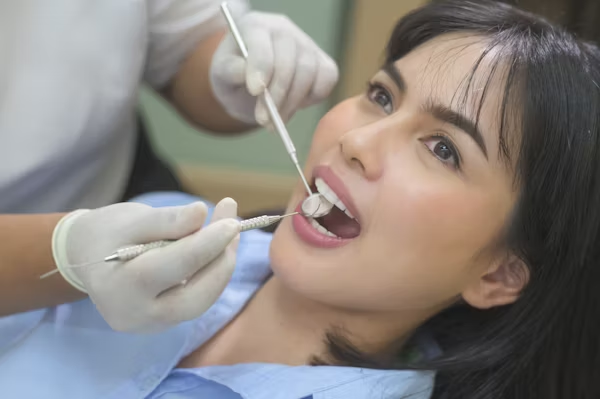
image of a woman during a dental exam

Dental cleanings at The Tooth Co. play a crucial role in maintaining not just a bright smile but your overall health. When plaque and tartar are allowed to build up, they become breeding grounds for bacteria that lead to gum disease, cavities, and even systemic health problems like heart disease.

Regular cleanings prevent these complications and help detect any potential issues early on. In many ways, it’s like preventive maintenance for your teeth—saving you time, discomfort, and money in the future.

Average Duration of a Dental Cleaning

How Long Does a Standard Appointment Take?

On average, a dental cleaning appointment at The Tooth Co. lasts between 30 to 60 minutes. This duration can vary based on individual oral health, the type of cleaning required, and whether additional treatments like X-rays are needed.

What Affects the Duration of a Cleaning?

Several factors can influence the length of your dental cleaning:

Types of Dental Cleanings and Their Timelines

Prophylaxis (Routine Cleaning)

This type of cleaning is for patients with generally healthy gums and teeth. It focuses on removing plaque, tartar, and stains from the visible surfaces of the teeth. Most of these appointments last about 30 to 60 minutes, depending on the patient's needs.

Deep Cleaning (Scaling and Root Planing)

When gum disease is present, a deep cleaning is needed to remove bacteria and tartar from below the gumline.

This type of cleaning is more intensive and is often done in two visits. Each session can take between 60 to 90 minutes, sometimes longer if multiple quadrants of the mouth need treatment.

Periodontal Maintenance Cleanings

After a patient has undergone treatment for gum disease, they usually return for periodontal maintenance every few months. These cleanings are more involved than standard prophylaxis but less extensive than initial deep cleanings. Expect each visit to last around an hour.

Gross Debridement

For patients who haven’t had a cleaning in years and have significant buildup, a gross debridement is necessary to clear away the bulk of hardened plaque before a detailed exam can even take place.

This treatment takes longer, often over an hour, and may be split into multiple sessions.

What To Expect During A Dental Cleaning

Medical History Review (5–10 minutes)

Your dental provider will ask about any medical changes, medications, or conditions that could influence your oral health. This is especially important for patients with heart conditions, diabetes, or those taking blood thinners.

X-rays (if needed) (5–15 minutes)

X-rays are not always taken at every visit, but when necessary, they help detect hidden issues such as decay between teeth or bone loss under the gums. They add to the appointment time but are essential for a full diagnosis.

Periodontal Exam (5–10 minutes)

This involves checking the depth of gum pockets around your teeth to evaluate the health of your gums. Shallow pockets are good news, while deeper ones may indicate gum disease and the need for a more thorough cleaning.

Scaling and Plaque Removal (15–30 minutes)

This is the main part of the cleaning. The hygienist uses special tools to remove tartar and plaque from your teeth and around the gumline. If there’s more buildup than usual, this step can take longer.

Polishing and Fluoride Treatment (5–10 minutes)

Polishing helps remove surface stains and gives your teeth a smooth finish. If fluoride is applied, it strengthens enamel and helps prevent future decay. Though it only takes a few minutes, it adds long-term protection.

First-Time Cleaning vs. Regular Visits

What Takes Longer During a New Patient Visit?

If it’s your first time at a new dental office, expect the appointment to take a bit longer. The dentist or hygienist will take a full set of X-rays, review your medical and dental history, and conduct a comprehensive oral examination.

All of this adds to the total time, possibly extending your visit to 90 minutes.

Cleaning Time for Ongoing Maintenance Patients

For established patients who visit regularly, cleanings are usually more efficient. The dental team already has your history and previous X-rays on file, so the appointment often moves more quickly—usually within 30 to 45 minutes.

Factors That Affect Cleaning Time

Oral Hygiene Status

People who floss daily and brush properly typically require less time in the chair. Good habits mean less tartar buildup, fewer complications, and quicker cleanings.

Presence of Gum Disease

If gum disease is present, the cleaning needs to go deeper below the gums. The hygienist may need to be more methodical and careful, which naturally takes more time.

Tartar Buildup and Stain Levels

Tartar is hardened plaque that can't be removed with a toothbrush. If it’s extensive, it slows down the process. Likewise, staining from tobacco, wine, or coffee can make polishing more time-consuming.

Cooperation and Comfort Level of the Patient

Some patients are anxious or have dental phobia. Others may experience gag reflex or discomfort with certain tools. These issues often require breaks or a slower pace to keep the patient comfortable.

How to Make Cleanings More Efficient

Arriving Prepared

Show up on time with any necessary paperwork and a list of current medications. Let the staff know about any health changes so they can plan accordingly.

Sharing Health Updates in Advance

If you’ve had surgery, started new medications, or developed health issues like diabetes, let the office know in advance. These details can influence how your cleaning is performed.

Practicing Good Oral Hygiene Between Visits

Brushing twice a day, flossing daily, and using mouthwash all contribute to less plaque and tartar. Better home care leads to shorter, smoother appointments.

What to Expect After the Cleaning

Post-Cleaning Sensitivity

It’s normal to feel some slight sensitivity to hot or cold after a cleaning, especially if you had a lot of tartar removed. This usually resolves within a day or two.

When You Can Eat or Drink Again

If you’ve had a fluoride treatment, you’ll typically be asked to wait about 30 minutes before eating or drinking. Otherwise, you can return to your normal routine right after your appointment.

Frequency of Cleanings and Time Implications

Standard Twice-Yearly Visits

Most people should visit their dentist every six months for routine cleanings. These regular appointments help prevent issues and keep cleaning times manageable.

More Frequent Visits for High-Risk Patients

If you have gum disease, diabetes, or other risk factors, your dentist might recommend cleanings every three to four months. These shorter intervals prevent problems from worsening and make each visit easier.

Importance of Staying on Schedule

How Skipping Appointments Impacts Future Cleaning Time

Missing cleanings allows tartar and plaque to build up, often leading to gum irritation or decay. This not only makes your next appointment longer but can result in needing more invasive treatments.

Long-Term Benefits of Regular Cleanings

Staying on track with dental visits helps maintain a healthy mouth, reduces your risk for disease, and keeps each appointment quick and painless. Prevention is always faster—and cheaper—than treatment.

Special Considerations

Cleanings During Orthodontic Treatment

Braces and other appliances trap food and plaque, requiring more detailed cleanings. It’s important to maintain regular visits during orthodontic treatment to avoid complications.

Cleanings for Patients with Dental Implants

Implants need care just like natural teeth. Specialized tools and techniques are used to clean around them without damaging the implant or surrounding gums.

Senior Dental Cleanings

Older adults may have unique concerns such as gum recession, dry mouth, or medication-related oral issues. These factors may slightly extend the cleaning time and require extra care.

The Tooth Co.: Caring Dental Professionals Who Respect Your Time

Stepping into The Tooth Co. here in Irvine, California, you'll find our dental cleanings are all about being efficient, precise, and centered around you. We take pride in offering a full range of services, from making sure your routine checkups are thorough to crafting cosmetic solutions that bring out your best smile.

Whether you're a regular for cleanings or it's been a while, my team and I are dedicated to making your visit seamless, timely, and truly effective.  We happily serve the communities in and around Irvine, California. Our business hours are as follows:

We look forward to welcoming you to The Tooth Co.! 

Final Thoughts

image showing a toothbrush with toothpaste on it

Understanding how long a dental cleaning takes helps you plan your time and appreciate the care behind each visit.

While most cleanings are relatively quick, factors like oral hygiene, gum health, and overall comfort can influence the duration. Staying on top of routine visits at The Tooth Co. not only shortens your time in the chair but also helps you enjoy healthier teeth for life.

Request a consultation.

Frequently Asked Questions (FAQs)

Are there age limits for getting dental braces?

No, there’s no strict age limit for braces. While many people get them during their teenage years, adults of all ages can benefit from orthodontic treatment. As long as your teeth and gums are healthy, you can pursue braces to improve your smile and bite.

Can I switch from metal braces to clear aligners mid-treatment?

In some cases, yes—but it depends on your treatment progress and orthodontist’s recommendation. A transition may require additional scans or adjustments to ensure your teeth continue moving correctly.

Will my braces interfere with playing sports or musical instruments

Braces might take some getting used to, but they won’t stop you from doing what you love. For sports, a mouthguard is highly recommended. For instruments like trumpets or clarinets, a short adjustment period may be needed.

Professional Teeth Cleaning

a digital image of teeth cleaning

Your smile says a lot about you—it’s often the first thing people notice. But maintaining that bright, confident smile takes more than brushing and flossing.

Enter dental cleaning, the professional care that removes buildup prevents disease, and keeps your mouth healthy. 

So, how often should you go? What happens during a cleaning? Let’s uncover everything you need to know in this The Tooth Co. guide.

What is Dental Cleaning?

Dental cleaning is a professional treatment performed by a dentist or hygienist to remove plaque, tartar, and stains from your teeth.

It’s a crucial part of preventative dental care that goes beyond what your toothbrush can achieve.

Benefits of Dental Cleaning

Dental cleanings don’t just maintain your smile—they protect your overall health. By preventing gum disease and decay, cleanings can also reduce the risk of conditions like heart disease and diabetes, which are linked to oral health.

Dental Cleaning Frequency

General Recommendation

Most dental professionals recommend getting your teeth cleaned every six months. This routine schedule ensures plaque and tartar don’t build up to harmful levels, reducing your risk of cavities and gum disease.

Factors That May Increase Frequency

Your personal oral health needs can vary. You might need cleanings every three to four months if you:

Skipping Cleanings: The Risks

Delaying dental cleanings allows plaque to harden into tartar, which can only be removed professionally. Over time, this can lead to gum inflammation, tooth decay, and even tooth loss.

Dental Cleaning and Gum Disease

The Stages of Gum Disease

How Dental Cleaning Helps

Professional cleanings are essential to stopping gum disease in its tracks. By removing harmful bacteria and debris, cleanings keep gums healthy and inflammation-free.

Maintaining Healthy Gums Between Visits

Good home care, like proper brushing, flossing, and using antimicrobial mouthwash, supports healthy gums and reduces the risk of disease.

Dental Cleaning and Bad Breath

Causes of Bad Breath

Bad breath, or halitosis, often stems from bacteria in the mouth. When food particles are left behind, they decompose, releasing foul odors. Gum disease, dry mouth, and certain foods like garlic and onions can also contribute to persistent bad breath.

How Dental Cleaning Helps

Professional cleanings remove the bacteria and plaque responsible for bad breath. By thoroughly cleaning your teeth, gums, and tongue, your dentist ensures a fresh, odor-free mouth.

They can also recommend products like antibacterial mouthwash to help maintain freshness between visits.

Tips for Fresh Breath Maintenance

To keep your breath fresh after a cleaning, brush twice daily, floss regularly, and stay hydrated to combat dry mouth. Regular tongue cleaning also plays a crucial role in reducing bacteria that cause bad breath.

Cost of Dental Cleaning

Factors Affecting Cost

The cost of dental cleanings varies widely depending on your location, the dentist’s expertise, and the type of cleaning required. Routine cleanings typically cost less than deep cleanings, which are more extensive and time-consuming.

Dental Insurance and Payment Options

Most dental insurance plans cover the cost of routine cleanings, making them an affordable preventive measure.

If you require deep cleaning or additional treatments, your insurance might cover part of the expense. For those without insurance, many dental offices offer payment plans or discounts for cash payments.

The Value of Prevention

While the upfront cost of cleaning might seem high, it’s a fraction of what you’d pay for restorative treatments like fillings, crowns, or gum surgery.

Regular cleanings are an investment in your oral and overall health, saving you from costly treatments in the future.

Finding the Right Dentist

Qualities of a Great Dentist

A skilled dentist not only has the technical expertise but also makes patients feel comfortable and valued. Look for someone who listens to your concerns, explains procedures clearly, and takes a personalized approach to your care like the dentists at The Tooth Co..

Using Online Resources

Online reviews and ratings can provide valuable insights into a dentist’s reputation. Look for consistent positive feedback about their professionalism, friendliness, and quality of care.

Building a Relationship with Your Dentist

Establishing a trusting relationship with your dentist encourages better communication and ensures you receive the care you need. A dentist who knows your oral health history can provide more effective treatment and preventive advice.

Maintaining Oral Health at Home

Proper Brushing and Flossing

Daily brushing and flossing are your first line of defense against plaque and tartar. Use a soft-bristled toothbrush and fluoride toothpaste, brushing for at least two minutes. Flossing once a day removes debris and plaque between teeth that your brush can’t reach.

Additional Tools for Oral Hygiene

Consider incorporating tools like electric toothbrushes, water flossers, and interdental brushes for a more thorough cleaning. These devices are especially helpful for individuals with braces or dental implants.

Healthy Lifestyle Habits

Eating a balanced diet rich in fruits, vegetables, and calcium supports strong teeth and gums. Limit sugary snacks and beverages that can lead to cavities. Avoid tobacco products, which increase the risk of gum disease and oral cancer.

Dental Cleaning for Seniors

Challenges for Aging Teeth and Gums

As you age, issues like dry mouth, receding gums, and tooth sensitivity may arise. Regular cleanings address these challenges and maintain oral health.

Tips for Older Adults

Seniors should consider fluoride treatments and more frequent cleanings to counteract age-related concerns.

Dental Cleaning for Children

Setting Good Habits Early

Children benefit from dental cleanings starting as soon as their first tooth appears. These visits reinforce healthy habits and prevent early decay.

Making Cleanings Fun

A positive experience at the dentist encourages kids to prioritize oral health throughout their lives.

Experience the Difference with The Tooth Co.

Located in Irvine, CA, The Tooth Co. is redefining the dental experience. From cutting-edge technology to a personalized approach, this premier dental studio is the go-to choice for patients seeking exceptional dental service.

Dr. Perrin, a visionary in modern dentistry, uses advanced techniques like 3D printing and biomimetic methods to transform smiles. 

Whether you need veneers, clear aligners, or a professional cleaning, The Tooth Co. delivers unmatched results.

Book an appointment today!

Conclusion

close-up shot of a dental cleaning

Dental cleaning is more than a routine visit—it’s an essential step toward a healthier, brighter smile. By combining regular cleanings with good home care, you’re investing in your overall well-being.

Why wait? Schedule your next dental cleaning today!

Different Types of Teeth Whitening: What You Need To Know

A brighter and whiter smile can boost self confidence and is scientifically linked to an increased probability of job promotions, more friends, and happiness. If you’re looking for teeth whitening in Irvine or greater Orange County, The Tooth Co. understands how important it is to feel confident about your smile. In this article, our cosmetic dentist, Conor Perrin, explores the various teeth whitening options available at our Irvine dental office and explains why custom at-home trays provided by your dentist might be the best choice for achieving the brilliant smile you've always wanted.

Our dentist in Irvine with his dental assistant treating a patient to highlight our premium Irvine dental services.

The Different Types of Teeth Whitening

Professional In-Office Teeth Whitening

For those looking for immediate results, professional in-office teeth whitening is a popular option. This procedure is performed by a dental professional, ensuring that you receive safe and effective treatment. Using high-concentration bleaching gels that are activated by special lights or lasers, this method can lighten your teeth several shades in just one visit. Brands like Zoom! and BriteSmile are among the top choices in the industry for in-office treatments. While this option offers quick results, it can be more expensive than other methods and might cause excessive sensitivity for some patients. It can also give a false sense of whitening as your teeth are highly dehydrated during this procedure due to your mouth being open for so long, leading them to appear whiter when you leave the dental office than they actually are.

Over-the-Counter Teeth Whitening Products

If you prefer to whiten your teeth at your own pace, over-the-counter (OTC) products may be suitable. These include whitening strips, toothpastes, and gels. These products are generally less expensive than professional treatments and can be used in the convenience of your home. However, they often contain lower concentrations of whitening agents compared to professional products, which means it may take longer to see results. Additionally, the one-size-fits-all trays and strips may not provide uniform whitening or could cause irritation to gums if not applied carefully. They also do not adapt properly to the areas where teeth touch, leading to a yellower appearance in these connecting areas.

Whitening Toothpaste and Rinses

For a gradual improvement in your smile’s brightness, whitening toothpastes and rinses are easy to incorporate into your daily routine. These products contain mild abrasives and chemicals that help remove surface stains. While they are great for maintaining professionally whitened teeth or slightly improving the natural whiteness of your teeth, they are less effective on deep, older stains.

Our comfortable waiting room for patients in our Irvine dental office, offering a relaxing, modern, and inviting atmosphere.

Our Expert Recommendation:

Custom At-Home Whitening Trays

Among the most effective at-home whitening methods are custom-fitted trays made by your dentist. You can learn more about our professional teeth whitening services here. Here’s why they often come highly recommended:

Personalized Treatment

Custom whitening trays are crafted specifically for your teeth, based on molds or a scan taken our Irvine dental office. This personalized fit ensures that the whitening agent is evenly distributed across all your teeth, reducing the risk of uneven whitening and minimizing the contact of the bleaching agent with your gums, which can lead to irritation.

Professional Strength

The whitening gel used in these custom trays is typically stronger than what is found in OTC kits, which means you can achieve more noticeable results in a shorter amount of time. Moreover, your dentist will provide a professional assessment to determine the appropriate strength and duration of treatment based on your specific needs and oral health status.

Safety and Support

Using custom trays under the guidance of a dental professional enhances safety. Your dentist will instruct you on how to apply the gel properly and how often to use your trays, as well as monitor your progress throughout the treatment. This personalized attention helps ensure that you achieve the best results without compromising the health of your teeth and gums. This will also help prevent increased sensitivity!

Cost-Effective

While the initial investment in custom trays can be higher than some other at-home options, the trays are reusable for future whitening treatments. You only need to purchase additional whitening gel from your dentist, which makes this option more economical in the long run.

Dr. Conor Perrin with a patient in Irvine

Why Choose Custom At-Home Trays from The Tooth Co.?

At The Tooth Co., your dental health is our top priority. We provide high-quality, custom-fitted whitening trays that are designed to meet your individual needs and deliver superior results. By choosing our custom trays, you benefit from a safe, effective, and convenient way to enhance your smile at your own pace, all while being supported by the expertise of our skilled dental team.

We invite you to visit us at our luxurious and modern dental office in Irvine, CA, where we combine advanced dental technology with a warm, welcoming environment to provide you with the best dental care experience possible. Contact us today to learn more about our teeth whitening services and how we can help you achieve the radiant smile you deserve. 

How Much Does Invisalign Cost?

The question our cosmetic dentist gets most is:  How much does Invisalign cost? Understanding the cost of Invisalign is crucial for anyone considering this cutting-edge dental solution. In this comprehensive guide, we'll explore the factors influencing the price of Invisalign treatment, insurance considerations, and the various financing options available at The Tooth Co.

Patient gently inserting her new clear aligners.

What Is Invisalign?

If you have rotating teeth, gaps, bite problems, crooked teeth, or premature wear on your teeth, a simple solution to correct these problems is Invisalign. Invisalign is a modern approach to teeth straightening that utilizes a series of clear, removable aligners. These aligners are custom-made for each individual, aiming to gradually shift teeth into the desired position without the use of traditional metal braces. You can learn more about Invisalign here.

Why Choose Invisalign?

Invisalign technology has revolutionized orthodontic treatment, offering a nearly invisible way to correct various dental issues, including overcrowding, gaps, and bite irregularities. Unlike traditional braces, Invisalign aligners are removable, allowing for easier eating and cleaning. This convenience factor, coupled with the aesthetic appeal of clear aligners, makes Invisalign a popular choice among patients of all ages. See if you are a good candidate for Invisalign!

Our dentist in Irvine with his dental assistant treating a patient to highlight our premium Irvine dental services.

Factors Influencing the Cost of Invisalign

The cost of Invisalign treatment ranges between $4000-$7000 in California. Once you have had a consultation to determine the complexity of your case an exact cost is given. In the meantime, here are several factors that impact the cost of Invisalign: 


Our comfortable waiting room for patients in our Irvine dental office, offering a relaxing, modern, and inviting atmosphere.

Why Invisalign Costs More

The cost of Invisalign is a reflection of its value. It truly is an investment. The custom-made aligners are crafted using state-of-the-art 3D printing technology to fit your teeth precisely, ensuring effective and comfortable treatment. Additionally, Invisalign involves the expertise of trained dentists like Dr. Conor Perrin, who closely monitor your progress and makes adjustments as needed. This personalized care contributes to the overall cost but is essential for achieving the best results. Last but not least, paying for the convenience of not having to wear traditional braces is worth it for most adults.

Understanding Insurance Coverage

Many dental insurance plans now recognize the importance of orthodontic treatments and offer coverage for a portion of the Invisalign cost. However, the extent of coverage can vary greatly between policies. At The Tooth Co., our knowledgeable staff will work with you to understand your insurance benefits and maximize any coverage you may have. While insurance may not cover the entire cost of your Invisalign treatment, it can significantly reduce your out-of-pocket expenses.

Financing Options For Invisalign at The Tooth Co.

To make Invisalign more accessible, we offer various financing options:

Dr. Conor Perrin with a patient in Irvine

Investing in Your Smile with The Tooth Co.

Choosing Invisalign is an investment in your health, confidence, and future. At The Tooth Co. in, we're dedicated to providing exceptional dental care with transparent pricing and financing options to suit your budget for patients interested in Invisalign in Irvine and beyond. Remember, the cost of Invisalign goes beyond the price tag—it's about investing in a lifetime of smiles and confidence.

If you're considering Invisalign, we invite you to schedule a consultation with Dr. Conor Perrin at The Tooth Co. Together, we can explore your treatment options, discuss the associated costs, and find a financing solution that works for you. Let us help you achieve the beautiful, straight smile you've always wanted.

In conclusion, while the cost of Invisalign can vary based on individual needs and circumstances, our Irvine dental office. is committed to making this life-changing treatment accessible. With the right planning, insurance coverage, and financing options, you can embark on your journey to a perfect smile without financial stress. Contact us today to learn more about Invisalign and take the first step toward the smile you deserve.

Skip to content